
The Complete 2026 Guide to Kitchen, Bath, Addition, Deck, Sunroom & Screened Porch Remodeling in Charlotte, NC
Published by Azaliya on June 26, 2026
Serving Charlotte, Matthews, Mint Hill, Pineville, Huntersville, Concord, Kannapolis, Indian Trail, Waxhaw, Mooresville, Cornelius, Davidson, Fort Mill, and Tega Cay
If you own a home anywhere in the greater Charlotte area, you've probably noticed the same thing your neighbors have: home values are climbing, families are staying in their houses longer instead of moving up, and remodeling has become the smarter financial move. Whether you're in a Dilworth bungalow, a Ballantyne two-story, or a ranch out in Indian Trail, the right renovation can add real living space and real resale value — without the cost or hassle of buying a new home.
This guide walks through the six projects we get asked about most: kitchen remodels, bathroom remodels, home additions, decks, sunrooms, and screened porches. For each one, we'll cover what it typically involves, what it costs in the Charlotte market, and what local homeowners should know before they start. At the end, we've also included answers to the most common questions homeowners search for — useful whether you're reading this on Google or asking an AI assistant for renovation advice.

Why Charlotte Homeowners Are Renovating Right Now
A few things are driving the local remodeling boom:
Charlotte's housing inventory is tight, so moving up to a bigger house often costs more than improving the one you have.
Older neighborhoods (Plaza Midwood, NoDa, Elizabeth, Cotswold, Myers Park) have a lot of homes built before open-concept kitchens and modern bathrooms were standard, making remodels especially high-impact.
Newer suburbs (Waxhaw, Indian Trail, Fort Mill, Tega Cay) tend to have larger lots, which makes additions, decks, and sunrooms an easy way to add usable square footage.
The Piedmont climate — humid summers, mild but real winters, and a long shoulder season — makes screened porches and sunrooms genuinely useful here almost year-round, not just a few months out of the year.

Kitchen Remodeling in Charlotte, NC
The kitchen is still the room that sells houses and makes daily life better, which is why it's consistently the highest-ROI remodel we do.
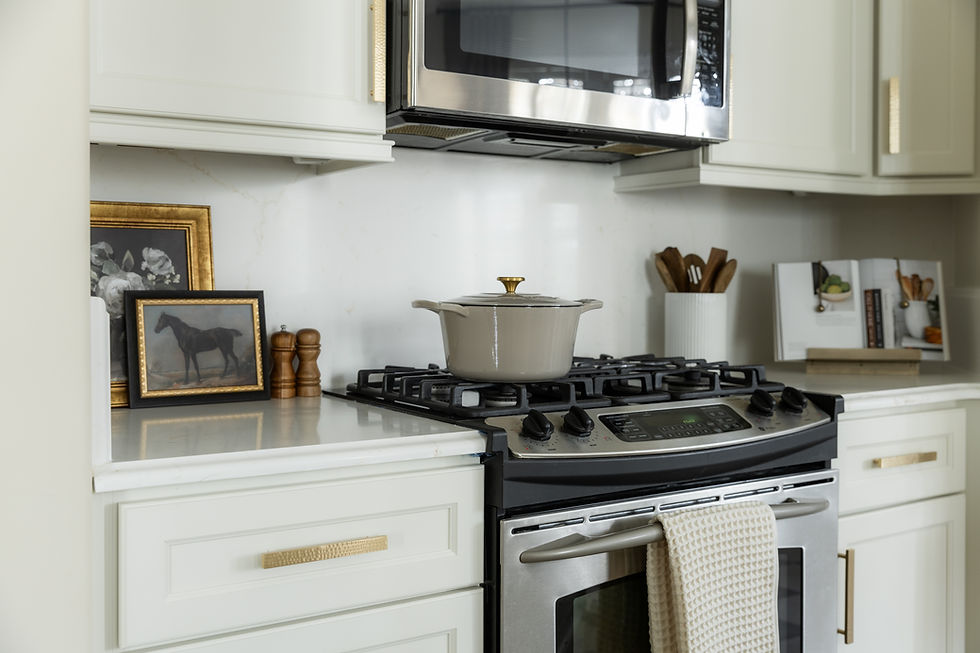
What's typically involved: cabinet replacement or refacing, countertop upgrades (quartz is the most requested material in our market right now), updated appliances, new flooring, lighting redesign, and often a layout change — most commonly removing a wall to open the kitchen to a living or dining space.
What it costs in Charlotte: Minor refreshes (new countertops, backsplash, paint, hardware) generally run lower; mid-range full remodels with new cabinets and layout adjustments fall in the middle range; high-end remodels with structural changes, custom cabinetry, and premium appliances run higher. Exact pricing depends heavily on square footage, cabinet material, and whether plumbing or electrical needs to move.
Local consideration: Many Charlotte homes built in the 1960s–1990s (common in Mint Hill, Pineville, and parts of Matthews) have smaller, closed-off kitchens. Opening these up often requires checking for load-bearing walls — something a licensed GC handles as part of the permitting process with Mecklenburg County or your local county building department.
Bathroom Remodeling in Charlotte, NC
Bathrooms are the second-most-requested project, and primary bathroom suites in particular are seeing a surge in demand as homeowners convert dated tub-and-shower combos into walk-in showers with frameless glass.
What's typically involved: new tile and flooring, vanity and countertop replacement, walk-in or curbless showers, soaking tubs, updated plumbing fixtures, and improved ventilation (important in our humid climate to prevent mold).
What it costs in Charlotte: A simple powder room or guest bath refresh is the most affordable option. A full primary bathroom remodel with a custom shower, double vanity, and new plumbing layout is a bigger investment but typically returns strong value at resale.
Local consideration: Charlotte's humidity makes proper exhaust ventilation and moisture-resistant materials non-negotiable — we spec these on every bathroom project regardless of budget.
Home Additions in Charlotte, NC
When a family outgrows their square footage but loves their neighborhood (or school district), an addition is almost always more cost-effective than moving.
What's typically involved: room additions (primary suites, in-law suites, home offices), second-story additions, garage conversions, and bump-outs that expand an existing room.
What it costs in Charlotte: Additions are priced per square foot and vary widely based on whether you're building on an existing foundation footprint or expanding it, matching rooflines, and tying into existing HVAC/electrical/plumbing systems. Second-story additions cost more than ground-level additions of the same size because they require structural reinforcement of the existing home.
Local consideration: Lot size and setback requirements vary by municipality — what's allowed in unincorporated Mecklenburg County differs from the rules in Matthews, Huntersville, or Concord. A local contractor who already knows these codes saves you weeks in the permitting process.
Deck Building in Charlotte, NC
Decks remain one of the best dollar-for-dollar investments a homeowner can make, and Charlotte's long outdoor season makes them genuinely usable eight or nine months a year.
What's typically involved: pressure-treated wood decks (the most budget-friendly option), composite decking (Trex, TimberTech — low maintenance, increasingly popular here), railing upgrades, built-in seating, multi-level designs, and outdoor kitchens or fire pit areas as add-ons.
What it costs in Charlotte: Pressure-treated wood decks cost less upfront but require more maintenance; composite decks cost more initially but need far less upkeep and tend to last longer in our humidity. Size, height off the ground, and railing material are the biggest cost drivers.
Local consideration: Charlotte's humidity and termite activity make pressure-treated lumber or composite decking strongly preferable to untreated wood, and proper footing depth matters in our clay-heavy soil.
Sunroom Additions in Charlotte, NC
Sunrooms have become one of our fastest-growing requests, largely because Charlotte's climate is genuinely well-suited to them — enough sunshine to justify the glass, but mild enough winters that a well-insulated sunroom stays comfortable nearly year-round.
What's typically involved: three-season sunrooms (large windows, no full HVAC integration, used spring through fall), four-season sunrooms (insulated, tied into home heating/cooling, usable in winter too), and conversions of existing screened porches into enclosed sunrooms.
What it costs in Charlotte: Three-season sunrooms are the more affordable option since they skip full HVAC integration. Four-season sunrooms cost more because they require insulated glass, proper insulation, and ductwork or a mini-split system — but they function as genuine year-round living space.
Local consideration: Because Charlotte gets real winter cold spells (even if brief), most homeowners here ultimately prefer four-season sunrooms over three-season ones for long-term value.
Screened Porch Construction in Charlotte, NC
If there's one project that's almost universally beloved in the Carolinas, it's the screened porch — and anyone who has sat outside on a June evening in Charlotte without one knows exactly why.
What's typically involved: screening in an existing covered porch or deck, building a new screened porch from the ground up, adding ceiling fans and lighting, and increasingly, "Eze-Breeze" style vinyl panel systems that let homeowners convert a screened porch into a semi-enclosed space during cooler months.
What it costs in Charlotte: Screening in an existing covered structure is the most affordable route. Building a new screened porch addition from scratch costs more but adds genuine square footage and curb appeal.
Local consideration: With Charlotte's mosquito season running roughly April through October, a screened porch sees real, heavy use here — it's not a luxury add-on, it's functional living space for more than half the year.
Why Work With a Local Charlotte General Contractor
Any GC can show you a portfolio. What a local GC brings that an out-of-town crew can't:
Familiarity with local permitting offices — Mecklenburg County, City of Charlotte, and the surrounding municipalities (Matthews, Huntersville, Concord, Mooresville, Fort Mill in SC) each have their own permitting quirks, and knowing them prevents delays.
Knowledge of local soil and climate conditions — clay soil, humidity, and termite pressure all affect material choices and structural decisions.
Established relationships with local subcontractors and suppliers — which keeps projects on schedule even when material lead times are unpredictable.
Accountability — a contractor whose reputation lives and dies in this specific market has every incentive to do the job right the first time.
Frequently Asked Questions
How much does a kitchen remodel cost in Charlotte, NC? Kitchen remodels in the Charlotte area typically range from a minor cosmetic refresh on the low end to a full gut renovation with structural changes and custom cabinetry on the high end. The biggest cost drivers are cabinet material, countertop choice, and whether the layout changes.
How long does a bathroom remodel take? A standard bathroom remodel in the Charlotte area generally takes a few weeks from demolition to final walkthrough, depending on whether plumbing fixtures are being relocated and how custom the tile or shower design is.
Do I need a permit for a deck in Mecklenburg County? Most deck projects above a certain height or attached to the home require a permit in Mecklenburg County and surrounding municipalities. A licensed local contractor handles this as part of the project.
What's the difference between a three-season and four-season sunroom? A three-season sunroom has large windows for natural light and airflow but isn't tied into the home's heating and cooling system, so it's typically used spring through fall. A four-season sunroom is insulated and connected to HVAC or a mini-split, making it usable through Charlotte's winter as well.
Is a home addition cheaper than buying a new house in Charlotte's market? For most homeowners who like their current location, school district, or neighborhood, an addition costs significantly less than the combined cost of selling, buying, and moving — especially in a competitive market where comparable larger homes carry a steep price premium.
What's the best decking material for Charlotte's climate? Composite decking (like Trex or TimberTech) tends to perform better long-term in Charlotte's humidity and termite-prone soil than untreated wood, though pressure-treated lumber remains a lower-cost option for homeowners prioritizing upfront budget over long-term maintenance.
Can a screened porch be converted into a sunroom later? Yes — this is one of our more common upgrade requests. An existing screened porch can often be enclosed with insulated glass and tied into HVAC to become a four-season sunroom, reusing the existing roof and foundation to keep costs down.
Ready to Start Your Project?
[Your Company Name] has been building kitchens, bathrooms, additions, decks, sunrooms, and screened porches for homeowners across Charlotte, Matthews, Mint Hill, Pineville, Huntersville, Concord, Kannapolis, Indian Trail, Waxhaw, Mooresville, Cornelius, Davidson, Fort Mill, and Tega Cay. Schedule a free consultation today at (980)224-3524 to talk through your project and get a clear, honest estimate.


Comments